

Neck pain is an incredibly common issue that can disrupt daily life. Whether it's a dull ache, sharp discomfort, or stiffness that limits your movement, neck pain can make even simple tasks difficult. Understanding what to do for neck pain is key to finding both immediate relief and long-term solutions. Let's explore the best practices to address neck pain and strategies to prevent it from becoming a recurring problem.
Understanding the Causes of Neck Pain
Before diving into how to treat neck pain, it's important to understand its potential causes. Common reasons for neck pain include:
- Poor posture: Spending long hours hunched over a computer or looking down at a smartphone can strain neck muscles.
- Muscle strain: Sudden movements, sleeping in an awkward position, or carrying heavy bags can cause tension.
- Injuries: Car accidents, falls, or sports injuries can lead to whiplash or other neck-related trauma.
- Medical conditions: Conditions like arthritis, herniated discs, or nerve compression may result in chronic neck pain.
By identifying the root cause of your discomfort, you'll be better equipped to choose the right treatment path.
Immediate Steps to Relieve Neck Pain
When you first experience neck pain, there are a few immediate steps you can take to reduce discomfort.
- Ice: Use an ice pack wrapped in a cloth to reduce inflammation during the first 24-48 hours.
- Heat: After the initial inflammation subsides, apply a warm compress or heating pad to relax tight muscles.
Perform gentle neck stretches to relieve stiffness. For example:
- Slowly tilt your head forward and backward.
- Rotate your head side to side.
- Lean your ear toward your shoulder on each side.
Move carefully and stop if you experience increased pain.
If you're sitting or lying down, adjust your posture to ensure your neck is properly supported. Use a chair with good back support and keep your screen at eye level.
When to See a Professional
Sometimes, neck pain requires professional attention. Consider consulting a chiropractor, physical therapist, or doctor if:
- Your pain persists for more than a few days.
- The pain radiates to your arms or shoulders.
- You experience numbness, tingling, or weakness.
- The pain results from an injury like a fall or car accident.
Chiropractic Care for Neck Pain
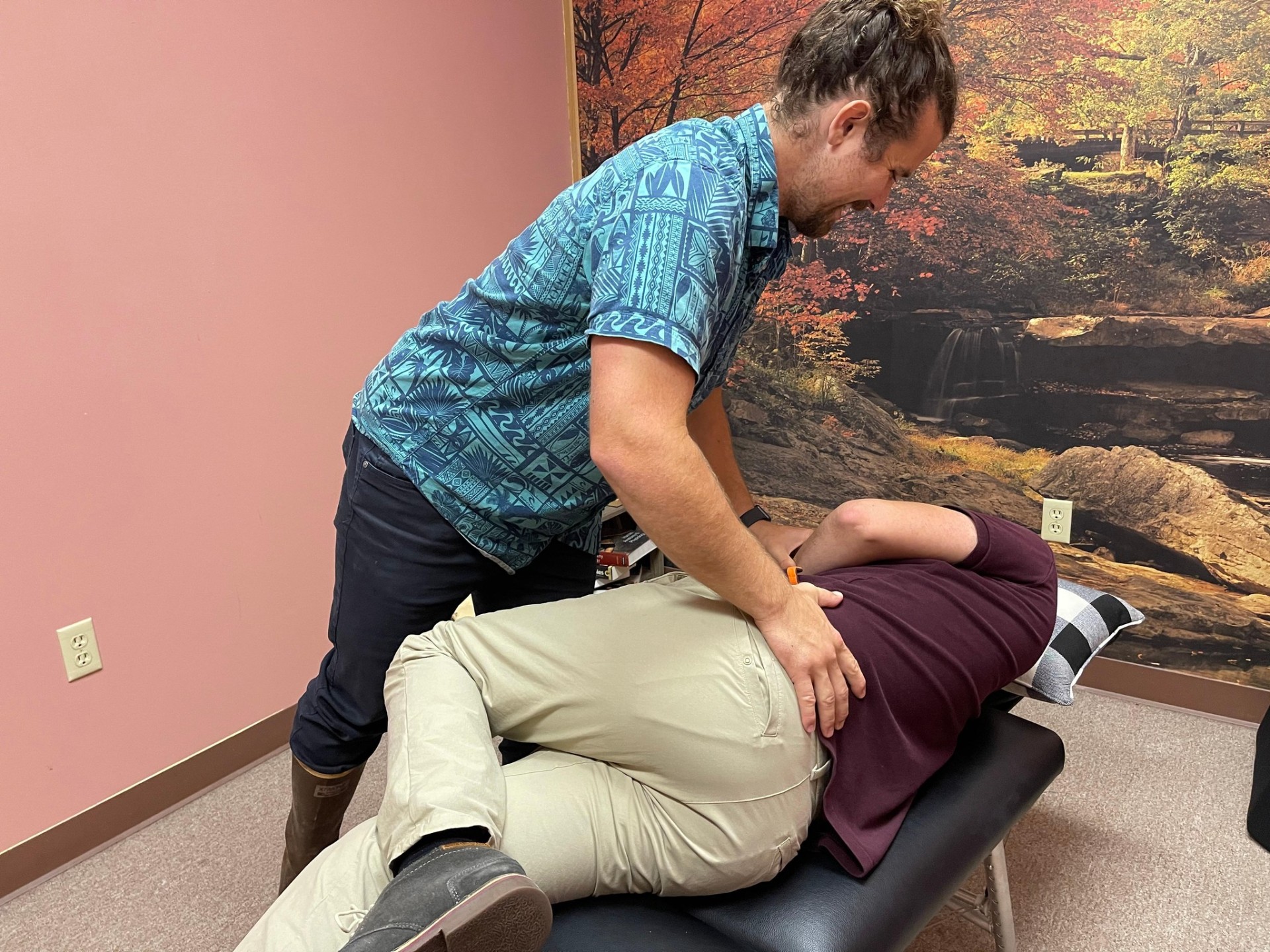
Chiropractors specialize in treating musculoskeletal issues, including neck pain. They use hands-on techniques like spinal adjustments to improve alignment and reduce tension. Chiropractic care can also help address the underlying causes of chronic neck pain.
Benefits of Chiropractic Treatment
- Improved mobility: Gentle adjustments can increase your range of motion.
- Pain relief: Targeted treatments reduce discomfort without relying on medication.
- Personalized care: Chiropractors assess your specific needs and design a tailored treatment plan.
Long-Term Strategies for Preventing Neck Pain
Taking proactive steps can help you avoid recurring neck pain. Here's how to build healthy habits:
Proper posture minimizes strain on your neck. Keep your shoulders relaxed, your head aligned with your spine, and your screen at eye level when working or using devices.
Strengthening your neck and shoulder muscles through exercise can prevent strain. Include activities like yoga, pilates, or targeted strength training in your routine.
Set up your workspace to support your neck and back. Use an adjustable chair, a desk that promotes neutral positioning, and a monitor stand if needed.
Choose a supportive pillow that keeps your neck in a neutral position. Avoid sleeping on your stomach, as it can strain your neck.
Stress often leads to muscle tension, especially in the neck and shoulders. Practice relaxation techniques like meditation, deep breathing, or regular massages to reduce stress.
Your spinal discs need hydration to stay healthy. Drinking plenty of water throughout the day can help maintain the elasticity and strength of the tissues in your neck.
Understanding what to do if you have neck pain is essential for finding relief and preventing future issues. Start with immediate measures like applying ice or heat, stretching, and improving your posture. If the pain persists, seek professional help from a chiropractor or other healthcare provider. Long-term solutions such as maintaining good posture, exercising, and managing stress can keep your neck healthy and pain-free.