

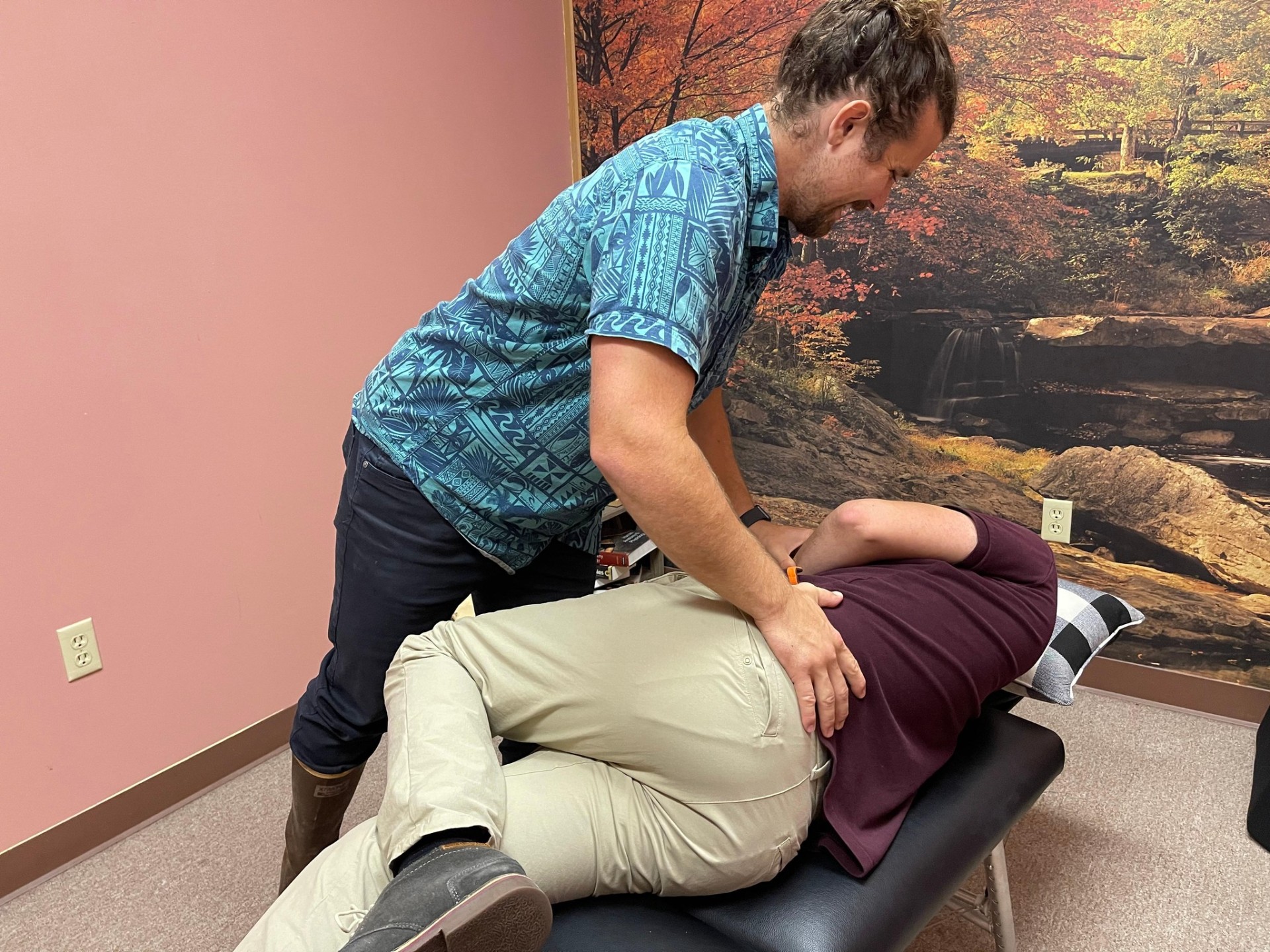
If you've ever experienced jaw discomfort along with tightness or soreness in your neck, you may have wondered if TMJ can cause neck pain. The answer is yes, your jaw and neck are more connected than most people realize. At Happy Family Chiropractic, we believe that understanding this connection is the first step toward lasting relief.
What Is TMJ?
TMJ refers to the temporomandibular joint, the hinge that connects your jaw to your skull. This joint plays a crucial role in everyday activities such as chewing, speaking, and yawning. When the joint becomes misaligned or inflamed, it can lead to TMJ disorder (TMD), a condition that affects not only your jaw but also surrounding muscles and nerves.
How TMJ Contributes to Neck Pain
The jaw joint is located very close to the muscles that stabilize your head and neck. When the TMJ is strained or not functioning properly, it can place added stress on the neck muscles. This often leads to tightness and stiffness in the neck, tension headaches, discomfort in the shoulders and upper back, and even a reduced range of motion. Untreated TMJ issues can make these neck problems worse over time.
Common Causes of TMJ-Related Neck Pain
Several factors may contribute to TMJ dysfunction and the resulting neck discomfort. Some of the most common include teeth grinding or clenching, poor posture that strains the neck and jaw muscles, high stress levels that increase muscle tension, injuries to the jaw, face, or neck, and arthritis affecting the joint.
Chiropractic Care for TMJ and Neck Pain
At Happy Family Chiropractic, we take a whole-body approach to TMJ and neck pain. Rather than just addressing the symptoms, we focus on how the jaw, neck, and spine are working together. Chiropractic care can relieve muscle tension through gentle adjustments, improve posture to reduce daily strain, restore balance between the jaw joint and cervical spine, and support long-term healing by addressing root causes.
Simple At-Home Tips
Alongside professional care, there are simple ways to manage symptoms at home. Relaxation techniques can help ease jaw clenching. Applying moist heat or cold packs to the jaw and neck can reduce discomfort. Paying attention to posture, especially when sitting at a desk, prevents added strain. Avoiding excessive chewing, such as gum, gives the TMJ a rest, and sticking to softer foods during flare-ups can reduce irritation.
When to Seek Help
If you're experiencing ongoing jaw discomfort, frequent headaches, or persistent neck stiffness, it may be time to get checked. The connection between TMJ and neck pain is strong, but with the right approach, you don't have to live with it. At Happy Family Chiropractic, our goal is to help you find relief, restore balance, and get back to living comfortably.
Take the Next Step
If you're ready to address TMJ and neck pain, schedule a consultation with Happy Family Chiropractic today. Together, we'll create a plan to bring your jaw, neck, and overall health back into harmony.