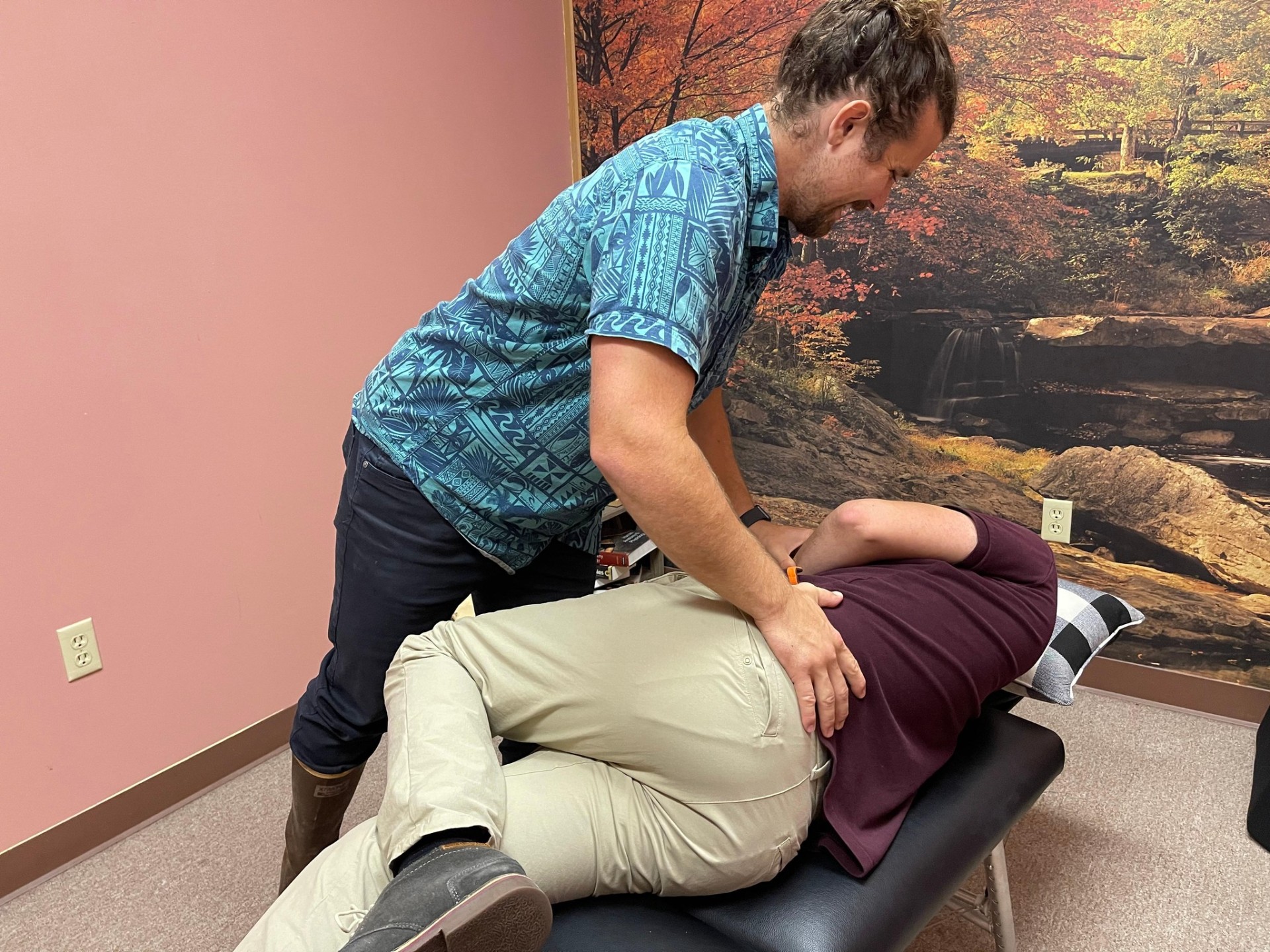


One of the most common questions I hear in our clinic is, how often should you see a chiropractor? People often wonder if an adjustment is a one-time fix or if they are signing up for weekly visits for the rest of their lives. The honest answer is that your schedule depends entirely on your body, your daily habits, and what you are trying to achieve.
This time of year in Southeast Alaska brings its own set of physical demands. Shoveling heavy, wet snow off driveways, slipping on slick patches of ice, and spending more hours indoors out of the dark can all take a toll on your spine and joints. Understanding how chiropractic care phases work will help you find a rhythm that keeps you moving comfortably without wasting your time.
The Phases of Chiropractic Care
Chiropractic care is not a rigid, one-size-fits-all routine. Instead, treatment generally falls into three distinct phases: acute relief, rehabilitation and stabilization, and supportive maintenance. Where you start dictates how frequently you need to come into the clinic.
Your visit schedule should never stay static forever. As your spine and joints regain normal motion and inflammation settles down, your visits should naturally space out. Your care plan should always adapt as your body improves.
Phase 1: Acute Pain and Sudden Flare-Ups
When someone comes in after throwing out their back shoveling snow or jarring their hip on a slick boardwalk step, the immediate priority is pain relief. During an acute flare-up, the surrounding muscles often spasm to protect the area, and joint motion becomes severely restricted.
In these acute situations, seeing a chiropractor two to three times a week for the first week or two is common. These frequent, gentle adjustments work together to reduce joint restriction, calm irritated tissues, and jump-start your recovery. The goal during this phase is not to keep you on a high-frequency schedule indefinitely, but to get you out of the acute pain zone quickly so you can sleep and walk comfortably.
Phase 2: Rehabilitation and Restoring Function
Once the sharp edge of the pain has backed off, the focus shifts toward rebuilding stability. Just because the pain has decreased does not mean the underlying joint restriction or muscle imbalance is completely resolved. If you stop care too early, you run the risk of aggravating the exact same spot the next time you haul groceries or pack firewood.
During this rehabilitation phase, visits typically decrease to once a week or once every two weeks. We combine adjustments with targeted soft tissue therapy and simple movement strategies. This allows your ligaments and muscles time to adapt to proper alignment and movement patterns, giving you more long-term resilience.
Phase 3: Supportive and Maintenance Care
Once you are out of pain and moving well, how often should you see a chiropractor? For many people, the ideal maintenance schedule is once a month, every six weeks, or simply whenever they feel a familiar stiffness creeping back in.
Think of maintenance care like routine vehicle maintenance or dental checkups. Periodic adjustments help catch small joint restrictions before they turn into full-blown flare-ups. If your lifestyle involves long hours sitting at a desk during dark winter months, or heavy physical work on boats and trails, routine check-ins help keep your body balanced. Maintenance care is always an elective choice based on your personal wellness goals.
Factors That Influence Your Visit Frequency
Several everyday factors influence how well your body holds an adjustment and how often you benefit from care. Your physical activity level, posture, stress, and previous injury history all play significant roles in your progress.
An avid trail runner navigating root-covered terrain or someone lifting heavy gear will put different mechanical stresses on their body than someone working a sedentary office job. Long-standing chronic postural habits also take longer to retrain than a minor muscle strain from a single awkward lift. We look at your whole lifestyle in Juneau to help determine a visit frequency that makes practical, realistic sense.
When to Seek Immediate Medical Attention
While chiropractic care and massage therapy provide great support for everyday musculoskeletal issues, certain symptoms require immediate emergency medical care. If you have been involved in high-impact trauma such as a major fall or vehicle accident, an urgent medical evaluation is essential.
You should also seek prompt medical attention if you experience red-flag symptoms such as sudden loss of bowel or bladder control, progressive numbness or weakness traveling down your legs or arms, back pain accompanied by an unexplained high fever, or a sudden, severe headache unlike anything you have felt before. These signs indicate potential medical emergencies that need immediate physician care.
Finding the Right Plan for Your Body
A good chiropractic plan is collaborative and transparent. You should always know why a specific visit frequency is recommended, what milestones we are looking for, and when you can expect visits to taper down.
If you are dealing with a fresh ache from winter chores or want to maintain your mobility so you can stay active year-round, our team is here to help. Contact Happy Family Chiropractic in Juneau today to schedule an initial consultation and find a care schedule tailored to your goals.