
Summer in Juneau brings long daylight hours and plenty of reasons to stay moving. Between hiking up Mount Roberts, hauling fishing gear down to the docks, and spending hours working in the yard, our bodies take on a lot of repetitive physical load.
When muscles get overworked or held in awkward positions for too long, they often develop stubborn areas of tightness. If you have ever felt a hard, sensitive spot in your shoulders or lower back that does not seem to relax with basic stretching, you are likely dealing with a trigger point or fascial restriction.
What Are Trigger Points and Fascial Restrictions?
A trigger point is a tight band of muscle fibers that stays in a contracted state. It often feels like a distinct pea-sized knot under the skin. When pressed, a trigger point is usually tender and can even send a dull ache or tingling sensation to another area of your body, known as a referral pattern.
Fascia, on the other hand, is the continuous web of connective tissue that wraps around every muscle, bone, and organ in your body. When fascia becomes dehydrated, inflamed, or restricted from repetitive movement, it tightens like a shrunken sweater. This limits how freely your muscles can slide and glide past one another.
While trigger points and fascial restrictions are distinct issues, they frequently occur together. A tight spot in the muscle pulls on the surrounding fascia, and restricted fascia keeps the muscle fibers locked in tension.
Why Summer in Juneau Creates Persistent Knots
Our summer routines in Southeast Alaska can be demanding on the musculoskeletal system. Steep elevation changes on trails like Perseverance or Mount Juneau put intense eccentric demand on the calves, quads, and glutes. Carrying heavy packs or coolers shifts your posture and strains the stabilizing muscles of your hips and spine.
Marine activities add their own physical challenges. Pulling anchor lines, lifting heavy halibut, or sitting for hours in a skiff on choppy water forces the neck, shoulders, and core to constantly brace against motion.
Even everyday summer tasks like clearing brush or digging in rain-soaked garden soil require prolonged bending and reaching. Over several weeks of high activity, these repetitive motions cause micro-fatigue in muscle tissue, leading to persistent knots that do not go away on their own.
How Trigger Point Therapy Works
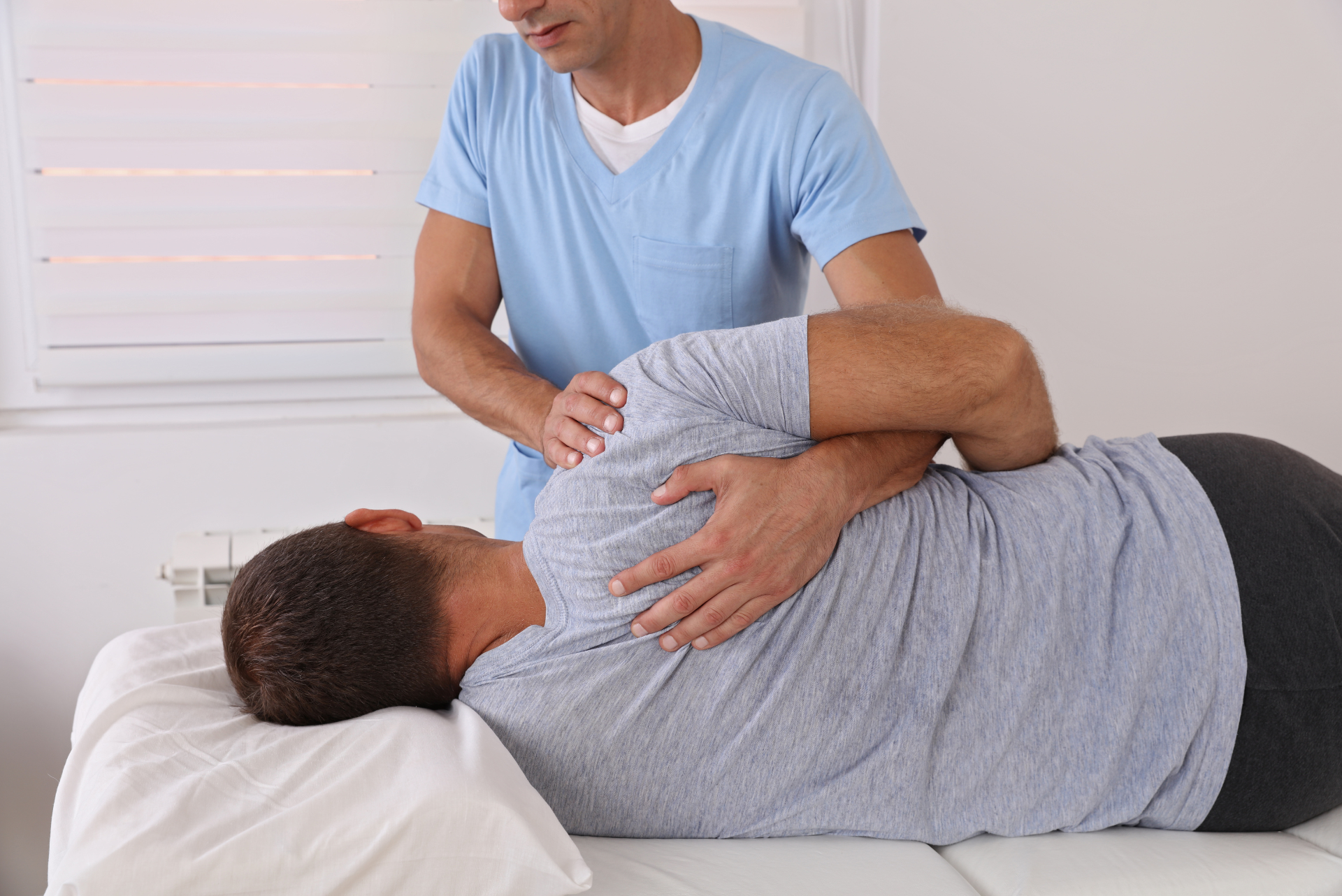
When you schedule trigger point massage in Juneau, the goal is to deactivate those hyper-irritable spots so the muscle fibers can finally lengthen and soften. During a session, I use focused, static finger or thumb pressure directly on the knot.
Holding gentle to moderate pressure on a trigger point helps interrupt the pain-spasm cycle. It temporarily restricts blood flow to the immediate knot, and when the pressure is released, fresh, oxygenated blood floods the area to flush out accumulated metabolic waste.
Communication is an important part of this work. A trigger point should never feel unbearable. I work within your comfort zone, using a scale from one to ten to ensure the pressure feels productive rather than painful, allowing your nervous system to stay relaxed.
The Role of Myofascial Release
Where trigger point therapy focuses on localized knots, myofascial release takes a broader approach to the connective tissue network. Fascia does not respond well to fast, aggressive manipulation; it needs time and steady warmth to soften.
During myofascial release, I apply sustained, slow pressure across larger planes of tissue without using heavy oils or lotions. This technique allows me to engage the fascial barrier and hold steady contact until the tissue begins to melt and lengthen beneath my hands.
By freeing restrictions in the fascia, we restore proper range of motion and reduce overall tension. This often makes trigger point work much more effective because the surrounding tissue is no longer pulling the knot right back into a spasm.
What to Expect During and After Your Session
A targeted session combining trigger point and myofascial work feels different from a general relaxation massage. You will notice slower pacing and sustained holds on specific areas of tension rather than continuous flowing strokes.
After your appointment, it is normal to feel some mild muscle tenderness for 24 to 48 hours, similar to the feeling after a good workout. Your body is adapting to restored tissue length and increased circulation.
To support your recovery, drink plenty of water throughout the remainder of the day. A warm shower or a soak with Epsom salts can help soothe sensitive muscles, and gentle movement like an easy evening walk along the channel keeps blood moving through the treated tissues.
When to Seek Additional Care
Targeted bodywork is excellent for addressing muscular strain and posture-related tightness, but some symptoms require medical evaluation. If your pain comes with sudden weakness, numbness or tingling traveling down your limbs, a sudden severe headache, or any loss of bowel or bladder control, please consult a healthcare provider promptly.
For mechanical and structural issues, massage therapy works wonderfully alongside chiropractic adjustments. While massage softens tight soft tissues and frees fascial restrictions, chiropractic care addresses joint motion and alignment, giving your body comprehensive support.
If stubborn knots or muscle tightness are slowing you down this summer, we are here to help. Schedule an appointment for trigger point massage in Juneau with us at Happy Family Chiropractic to help your body feel and move at its best.