

- Facebook - Gmail - LinkedIn - Pinterest - Twitter
Back pain is one of the most frequent reasons patients seek emergency care, with an estimated $200 billion annual cost of managing this condition. About 23% of adults globally suffer from chronic low back pain, and lifetime back pain prevalence is as high as 84%. While many attribute it to injuries, poor posture, or strenuous physical activities, few realize that various common health issues can also contribute to this discomfort.
Asthma
Asthma — a chronic respiratory condition — is the inflammation and narrowing of the airways. The severity of this health issue can range from mild to life-threatening and often requires long-term management. Symptoms of asthma can vary but generally include the following:
- Shortness of breath - Chest tightness or pain - Wheezing - Coughing
Asthma triggers include pollen, dust mites, mold, and pet dander. Respiratory infections, physical activity, cold air, air pollutants, and irritants like smoke can also trigger the condition. Additionally, stress and strong emotions can exacerbate symptoms.
Can Asthma Cause Back Pain?
The connection between asthma and back pain primarily lies in the mechanics of breathing and muscle strain. During an asthma attack, individuals may experience intense coughing and wheezing, leading to muscle fatigue and strain in the chest and back muscles.
The difficulty in breathing associated with asthma can lead to changes in posture as individuals might hunch or overextend their back in an attempt to open up their airways. Over time, these postural adjustments can lead to misalignment and added stress on the spinal muscles and ligaments, contributing to chronic back pain.
Additionally, the use of asthma medications — such as corticosteroids — may have side effects that weaken bone density and muscle strength, potentially exacerbating musculoskeletal problems, including back pain.
Allergies
Allergies are the immune system’s hypersensitive responses to allergens that enter or come into contact with the body. These allergens can be in food, air, medication, and various other sources. When the immune system determines an otherwise harmless substance as a threat, it releases chemicals such as histamine to combat the perceived invader, leading to the symptoms.
The symptoms of allergies depend on the type of allergen involved and the severity of the immune system’s response. Common symptoms of allergies include sneezing, itching, nasal congestion, and runny nose.
In addition to these respiratory symptoms, individuals might experience watery, red, and itchy eyes. Skin contact with allergens can lead to localized reactions characterized by redness, itching, and swelling of the skin.
Can Allergies Cause Back Pain?
Allergies can lead to back pain in multiple ways, mainly through inflammation, muscle strain, and referred pain. Some immune responses cause inflammation in various tissues, including those around the spine. This inflammation can result in swelling and pressure on the nerves and muscles of the back.
Additionally, individuals with allergies often experience coughing and sneezing fits, which can strain the muscles in the back and chest. The repetitive and forceful nature of these actions can create micro-tears in the muscle fibers or exacerbate existing musculoskeletal issues, culminating in acute or chronic back pain.
Referred pain is another way allergies can affect the back. Allergies often lead to sinus congestion and headaches, sometimes referring to neck and upper back pain. This type of pain is typically diffuse and aching but can overlap with more direct causes of back pain.
Adenomyosis
Adenomyosis is a medical condition where the uterus’ inner lining (endometrium) breaks through the muscle wall (myometrium). This tissue continues to act normally — thickening, breaking down, and bleeding during each menstrual cycle. However, because it remains trapped within the myometrium, it can enlarge the uterus and cause painful and heavy periods.
Diagnosing adenomyosis involves a combination of pelvic exams, imaging tests, and sometimes a laparoscopy to view the uterine cavity and muscle directly. A definitive diagnosis usually comes from a pathological examination of a hysterectomy specimen, but non-invasive methods are increasingly accurate.
Common symptoms of adenomyosis include the following:
- Heavy or prolonged menstrual bleeding - Severe menstrual cramps or a sharp, knife-like pelvic pain during menstruation - Chronic pelvic pain - Painful intercourse (dyspareunia) - The uterus may also feel tender or be larger than normal in a physical exam.
Can Adenomyosis Cause Back Pain?
An enlarged uterus can exert additional pressure on the lower back and pelvic region. This pressure can cause a dull, persistent ache or, in some cases, more severe discomfort. The chronic inflammation and muscle tension associated with adenomyosis can also contribute to lower back pain.
Menstrual cramps — which are a common symptom of adenomyosis — can radiate to the lower back, further intensifying the pain. For many women, this back pain is cyclical, worsening during menstruation and subsiding between periods.
How Chiropractic Adjustment Helps
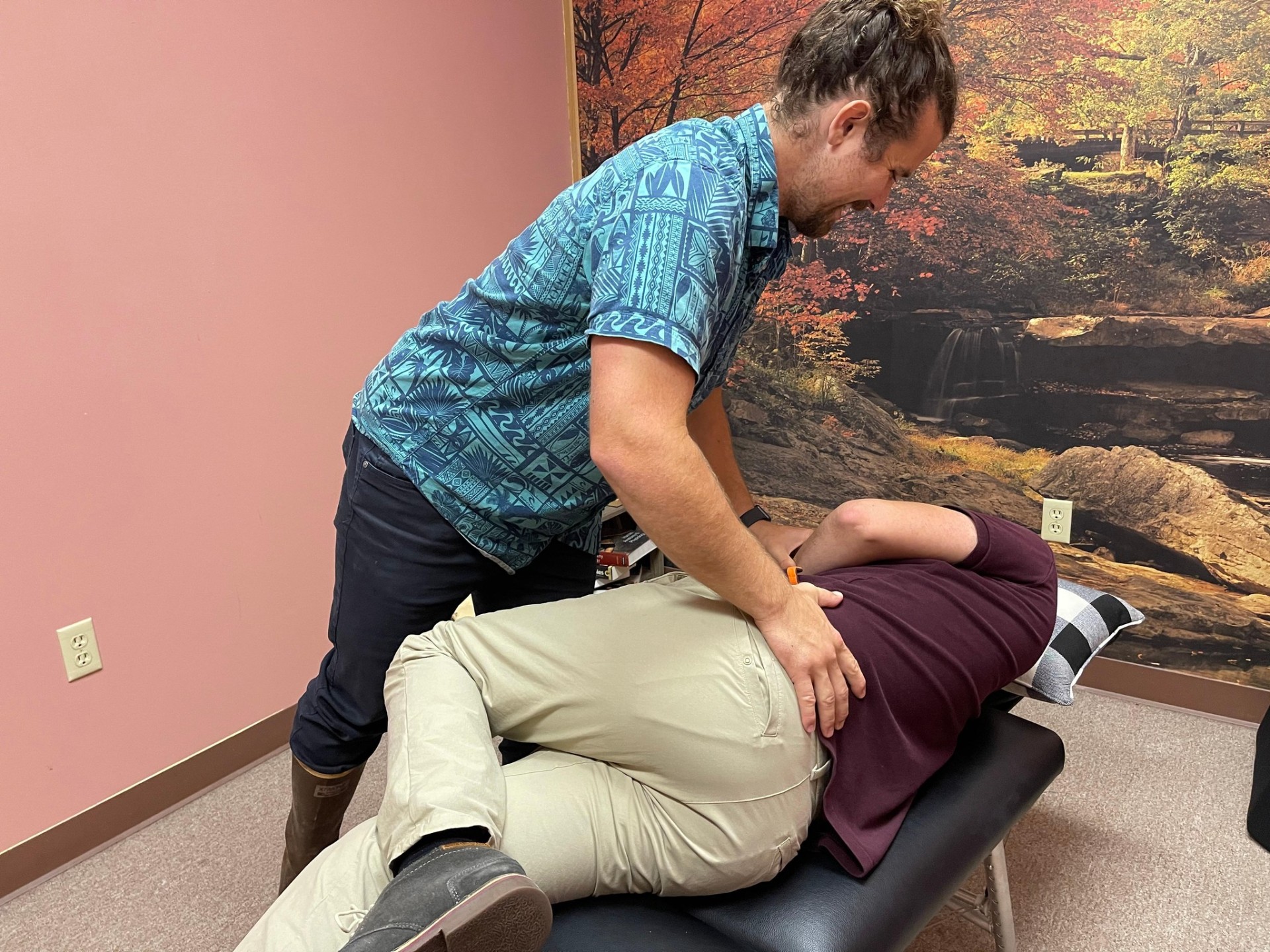
Besides the standard medical treatment options for asthma, allergies, and adenomyosis, there are alternative therapies — such as chiropractic care — that can provide relief for back pain. Chiropractic involves diagnosing and treating mechanical disorders of the musculoskeletal system, particularly the spine.
Chiropractors perform chiropractic adjustments, using hands-on spinal manipulation and other treatments to align the body’s musculoskeletal structure. This therapy helps the body heal itself without surgery or medication.
Chiropractic adjustments can significantly relieve back pain by improving spinal alignment and reducing nerve irritation. These adjustments can help alleviate the muscle tension and strain caused by asthma and allergies.
For those with adenomyosis, chiropractic care can minimize pelvic misalignment and improve overall spinal health, potentially easing lower back pain. Additionally, chiropractic care can enhance the body’s overall function, helping manage and mitigate symptoms of various health issues that indirectly cause back pain.
Visit Happy Family Chiropractic Today
Understanding the links between conditions like asthma, allergies, adenomyosis, and back pain can provide valuable insights into comprehensive pain management. With the proper care and attention, you can find relief and improve your quality of life.
At Happy Family Chiropractic, our experienced chiropractors take a holistic approach to your health. We address the root causes of your back pain and provide personalized care plans for long-term relief and well-being. Our compassionate team supports you on your journey to better health.
Call (907) 531-7604 or visit us in Juneau, AK, today, and let us guide you toward a healthier, pain-free future!
- Facebook - Gmail - LinkedIn - Pinterest - Twitter