
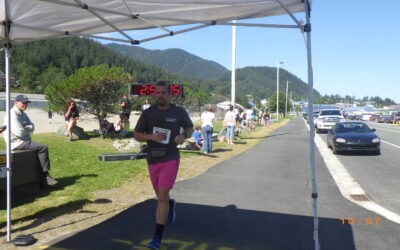
As daylight stretches longer across Gastineau Channel, many of us feel the urge to lace up our shoes and start gearing up for outdoor season. Whether you are aiming for summer trail races, prepping for backcountry hikes, or getting back into rec league sports, building up your training volume is an exciting shift. After months of winter routines, your body is eager to move, but your muscles often need time to adapt to new demands.
Moving from indoor treadmills or quiet winter habits back onto wet, hilly pavement and rocky trails places unique mechanical stress on your body. Sports massage in Juneau is one of the most practical tools you can use to help your muscles adapt, stay pliable, and handle an increased workload smoothly without breaking down.
How Sports Massage Differs from Relaxation Massage
Relaxation massage, like a classic Swedish session, focuses primarily on calming the nervous system through long, flowing strokes and light to moderate pressure. While a sports massage session can certainly be restorative, its primary goal is functional. We look closely at how your muscles, tendons, and connective tissues move together under athletic stress and where restrictions are limiting your movement.
During a sports massage session, I use a combination of focused compression, deep tissue friction, myofascial release, and passive stretching. Rather than providing a general full-body overview, we often isolate specific muscle groups that take the brunt of your particular activity. For runners, that means deep work on the calves, hip flexors, and glutes. For paddlers and rowers, we focus heavily on the lats, rotator cuff muscles, and forearms.
Preparing Your Body for Uneven Juneau Terrain
Training in Juneau is rarely flat or predictable. Even our paved paths feature steady grades, and our favorite trails involve damp tree roots, loose gravel, and steep switchbacks. When you navigate these surfaces, your smaller stabilizer muscles work overtime to keep you balanced, especially when descending hills under wet conditions.
Downhill running and hiking place heavy eccentric loads on your quadriceps and the anterior tibialis muscle in the front of your shin. At the same time, the deep calf muscles, such as the soleus and peroneals, must constantly fire to stabilize your ankles on slick mud or slush. When these stabilizer muscles are chronically tight or fatigued, they cannot respond quickly to sudden slips. Targeted sports massage helps restore tissue pliability in these areas, allowing your joints to move naturally and absorb impact without transferring unnecessary strain into your knees and lower back.
The Role of Soft Tissue Work in Injury Prevention
Many early-season training setbacks are not caused by sudden accidents. Instead, they stem from repetitive micro-trauma and tight tissues that gradually alter your natural biomechanics. When a muscle stays shortened and tight, it pulls on its corresponding tendons and joints, creating friction and irritation over time.
Sports massage helps break up localized fascial adhesions before they develop into stubborn overuse issues. Regular bodywork can help manage the early warning signs of common conditions such as shin splints, plantar fasciitis, Achilles irritation, and IT band tightness. By keeping muscle fibers aligned and supple, soft tissue work allows your body to distribute mechanical forces evenly through every stride, pedal stroke, or paddle pull.
Timing Your Sessions Around Your Training Schedule
To get the most out of sports massage in Juneau, it helps to be strategic about when you schedule your appointments. The timing of your session determines the specific pressure and techniques we use on the table.
Pre-Training and Maintenance Work
During active training weeks, maintenance sessions are best booked on a rest day or light recovery day. This allows us to work deeply into stubborn tight spots and restore range of motion without interfering with a hard workout the following morning. The focus during these sessions is on restoring tissue balance, easing chronic tension patterns, and improving blood flow to recovering muscles.
Post-Event and High-Intensity Recovery
If you have just completed a long weekend run, a race, or a grueling mountain hike, a recovery massage should focus on gentle flushing techniques, light compression, and passive mobility work. Aggressive deep tissue work right after an exhausting effort can increase local inflammation rather than soothe it. A lighter, restorative session encourages lymphatic drainage and helps your nervous system settle down without adding structural stress to fatigued tissues.
Simple Aftercare to Maximize Your Massage
What you do in the hours and days following your session plays a big part in how long the benefits last. It is completely normal to feel slightly tender for 24 to 48 hours after deep sports bodywork, similar to the sensation of a moderate workout.
Make sure to drink plenty of water throughout the remainder of the day to support cellular recovery and tissue hydration. Gentle movement, such as an easy walk or some light dynamic stretching, helps keep the newly loosened tissues mobile and prevents stiffness from settling back in. If you feel mild localized soreness, a warm shower or an Epsom salt bath can help soothe your muscles and encourage ongoing relaxation.
Knowing When to Seek Further Care
Massage therapy is fantastic for relieving muscle tension, improving flexibility, and supporting athletic recovery. However, it is not a cure for structural injuries or medical conditions. If you experience severe trauma, sudden sharp pain, joint swelling, numbness, tingling, or any loss of bowel or bladder control, you should consult a physician or emergency medical provider right away.
At our clinic, massage therapy works closely alongside chiropractic care. If a persistent tight muscle is being driven by joint restriction or spinal misalignment, combining gentle chiropractic adjustments with targeted soft tissue work offers a complete approach to keeping your body balanced and resilient.
Whether you are starting from scratch this spring or building on a solid winter base, our team at Happy Family Chiropractic is here to support your journey. Schedule a sports massage with us in Juneau to help your body feel strong, loose, and ready for the miles ahead.