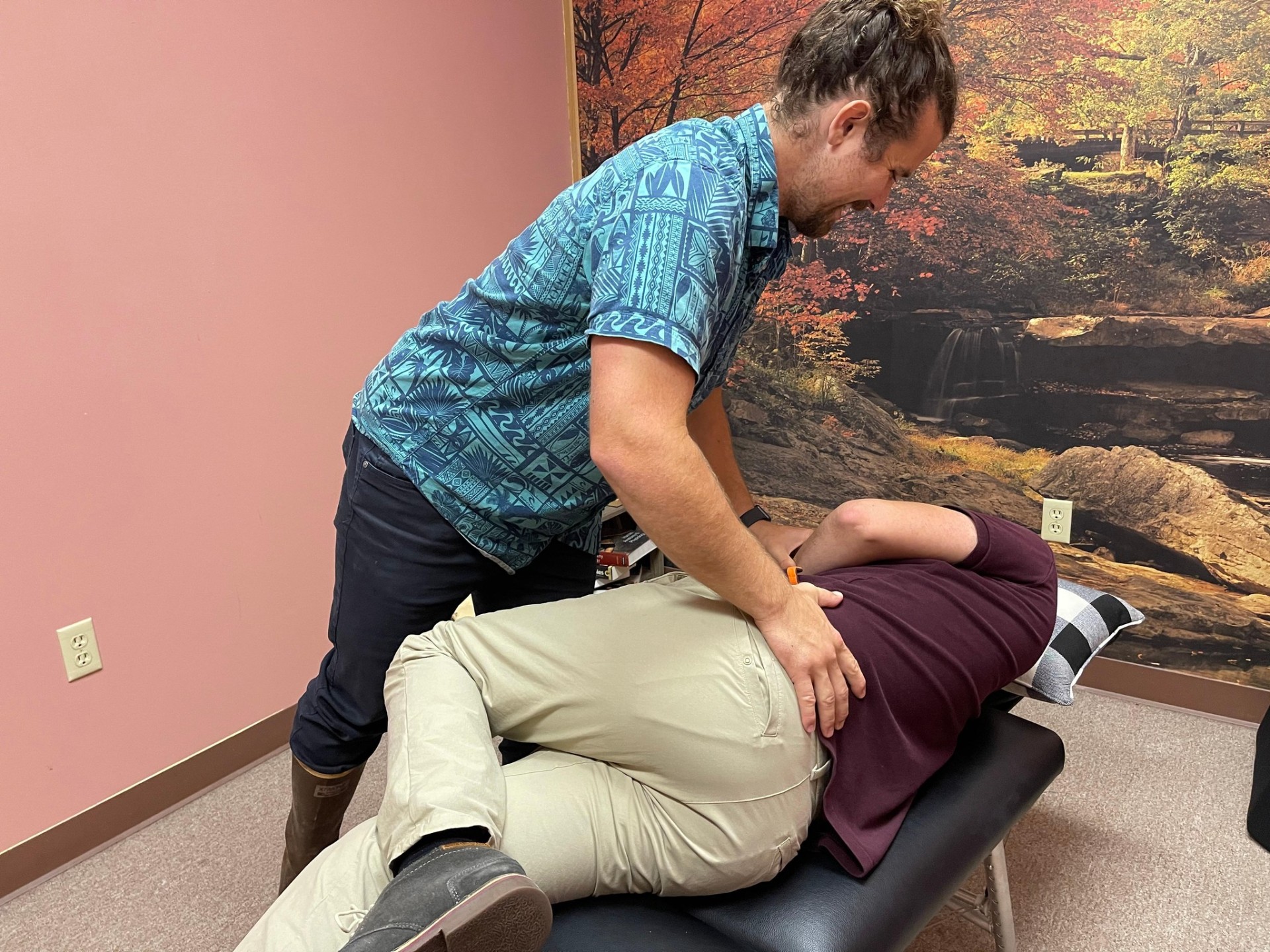


In this guide, we'll explore the common causes of neck pain, home remedies for relief, lifestyle adjustments to prevent discomfort, and professional treatment options. With these strategies, you can better understand, manage, and even prevent neck pain for improved well-being.
Common Causes of Neck Pain
Understanding the root causes of neck pain is the first step to effective management and prevention. While many instances of neck pain resolve on their own within a few days, persistent or severe discomfort may indicate an underlying issue.
Slouching or spending long hours looking down at a phone or computer can strain the neck muscles. Maintaining good posture-keeping your head aligned with your spine-is essential to prevent this type of pain.
Stress and Muscle Tension
Stress can manifest physically, causing muscle tightness in the neck and shoulders. Chronic tension in these areas often leads to stiffness and soreness. Learning to relax and manage stress can significantly reduce these symptoms.
Injuries, such as those from car accidents or sudden jerking motions, can strain the neck and cause lasting pain. Conditions like whiplash require prompt medical attention to prevent long-term complications.
Neck pain is a widespread issue, as evidenced by the National Health Interview Survey, which highlights the importance of addressing these causes early for better health and mobility.
Effective Home Remedies for Neck Pain Relief
Simple, at-home remedies can provide significant relief from neck pain. These methods are safe, effective, and easy to incorporate into your routine.
Alternating between heat and cold can be highly effective. Heat relaxes tense muscles and improves blood flow, while ice reduces swelling and numbs sharp pain. For the first 48 hours after an injury, cold therapy is typically most effective, followed by heat for ongoing relief.
Massage therapy helps alleviate muscle tension, enhances circulation, and promotes relaxation. Acupuncture, which involves the precise placement of fine needles, stimulates the body's natural pain-relief mechanisms. Both methods can complement each other to reduce neck pain and improve overall comfort.
Exercises and Stretches to Alleviate Neck Pain
Incorporating targeted exercises and stretches into your daily routine can reduce neck pain, improve flexibility, and promote long-term neck health.
Stretches like neck glides, rotations, and lateral extensions can help relieve tension. For example:
- Perform 10 neck glides, holding each for 5 seconds.
- Rotate your neck to each side, holding for 10 seconds, repeated 10 times.
- Stretch your neck laterally, holding for 5 seconds per side, for 10 repetitions.
Building strength in the neck and shoulder muscles can reduce the risk of future pain. Exercises like shoulder shrugs and resistance presses help stabilize and support the neck. Perform each movement for 5 seconds, repeating 10 times.
Aerobic exercises such as swimming, walking, or cycling enhance blood flow and improve muscle function, supporting neck pain prevention and recovery. Consistency is key for achieving lasting benefits.
Lifestyle Adjustments to Prevent Neck Pain
Small, sustainable changes in your daily habits can make a big difference in maintaining a healthy neck.
Ergonomic Workplace Setup
An ergonomic workspace reduces strain on your neck and shoulders. Key tips include:
- Adjusting your chair so your knees are at hip level and your feet are flat on the floor.
- Positioning your computer monitor at eye level to avoid tilting your head.
- Using a headset for phone calls to avoid cradling the phone with your neck.
- Taking short breaks every 30 minutes to stretch and move.
Proper Sleeping Positions and Pillows
Your sleeping habits play a significant role in neck health. For optimal support:
- Use a wedge pillow to distribute weight evenly if you sleep on your back.
- Avoid sleeping on your stomach, which twists the neck and arches the back.
- Side sleepers can benefit from an orthopedic neck pillow to maintain proper spine alignment.
- Replace pillows every 12 to 24 months to ensure adequate support.
Regular Physical Activity
Exercise strengthens the muscles that support your neck and spine. Aerobic activities, neck-specific exercises like chin tucks, and gentle stretching before and after workouts all contribute to better neck health and reduced pain.
Professional Treatments for Lasting Relief
When neck pain persists or becomes severe, professional care may be necessary. Chiropractic care can address the root causes of pain and provide lasting solutions.
Chiropractic adjustments focus on realigning the spine to relieve tension and reduce nerve irritation. A typical session may include:
- Manual spinal adjustments.
- Guidance on posture and ergonomics to prevent future issues.
Chiropractic care is a safe, non-invasive option for managing chronic or acute neck pain.