

- Facebook - Gmail - LinkedIn - Pinterest - Twitter
Hernias are a common medical condition where an internal part of the body pushes through a weakness in the muscle or surrounding tissue wall. While hernias often cause localized pain and discomfort, they can also cause other complications.
These challenges lead to questions like “Can a hernia cause lower back pain?” To answer the question: Yes, a hernia can cause back pain. Understanding the relationship between hernias and back pain is crucial for effective diagnosis and treatment.
In this post, Happy Family Chiropractic explores how different types of hernias can lead to back pain, how to identify this condition, and potential treatment options like chiropractic care. Let’s dive in.
Types of Hernias and Their Connection to Back Pain
There are several types of hernias, and some don’t lead to pain in the spine. For now, let us focus on two that may cause back issues: umbilical hernias and inguinal hernias.
Umbilical Hernia
An umbilical hernia occurs when part of the intestine protrudes through an opening in the abdominal muscles near the navel. Common symptoms include swelling, pain at the hernia site, and digestive issues.
Can an umbilical hernia cause back pain? The answer is yes. The protrusion can create pressure on surrounding tissues and nerves, leading to discomfort that radiates to the back. Additionally, the pain from the hernia might cause a person to adopt poor posture or make compensatory movements that strain the back muscles.
Inguinal Hernia
Inguinal hernias are one of the most common types of hernias and occur when tissue, such as part of the intestine, protrudes through a weak spot in the abdominal muscles in the groin area.
Can an inguinal hernia cause lower back pain? Yes. The pain and discomfort in the groin can lead to changes in gait and posture, which subsequently strain the lower back muscles and ligaments. Nerve impingement caused by the hernia can also directly contribute to lower back pain.
For both types, the displacement and pressure on internal structures can send pain signals to the back. Additionally, the hernia can affect surrounding nerves and muscles, contributing to overall discomfort and pain in the back. Do note that these hernias are different from herniated discs, which happen within the spine.
Diagnosis and Differentiation
Diagnosing hernia-related back pain involves a thorough examination and the use of imaging techniques such as MRI and CT scans. During a physical examination, your doctor will assess the hernia’s location, size, and the extent of discomfort. They will also take a detailed patient history to understand the pain’s onset, duration, and characteristics. Differential diagnosis is crucial to distinguish hernia-related back pain from other conditions like disc herniation, sciatica, or musculoskeletal disorders.
Treating Hernias and Back Pain
Addressing back pain caused by hernias requires treating the hernia first. In most cases, surgery is needed. Hernias don’t go away on their own. Surgical intervention is often considered when the hernia is large, symptomatic, or poses a risk of complications such as strangulation. There are two types of surgeries for hernias.
- Open Hernia Repair: This traditional surgical method involves making an incision near the hernia site to push the protruding tissue back into place and reinforce the weakened muscle area with stitches or a synthetic mesh. Recovery time can vary, but patients often experience relief from hernia-related pain soon after the procedure. - Laparoscopic Hernia Repair: A minimally invasive technique, laparoscopic surgery involves making several small incisions through which a laparoscope and surgical instruments are inserted. The surgeon repairs the hernia internally with a mesh. This method usually results in shorter recovery times, less postoperative pain, and a quicker return to normal activities compared to open surgery.
Physical Therapy
Once the patient recovers from the surgery, the next step is to address the back pain. Physical therapy can be an essential component of the treatment plan for individuals with hernia-related back pain. A physical therapist can design a customized exercise program to address specific needs and promote healing.
Chiropractic Care
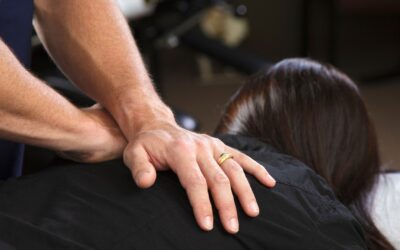
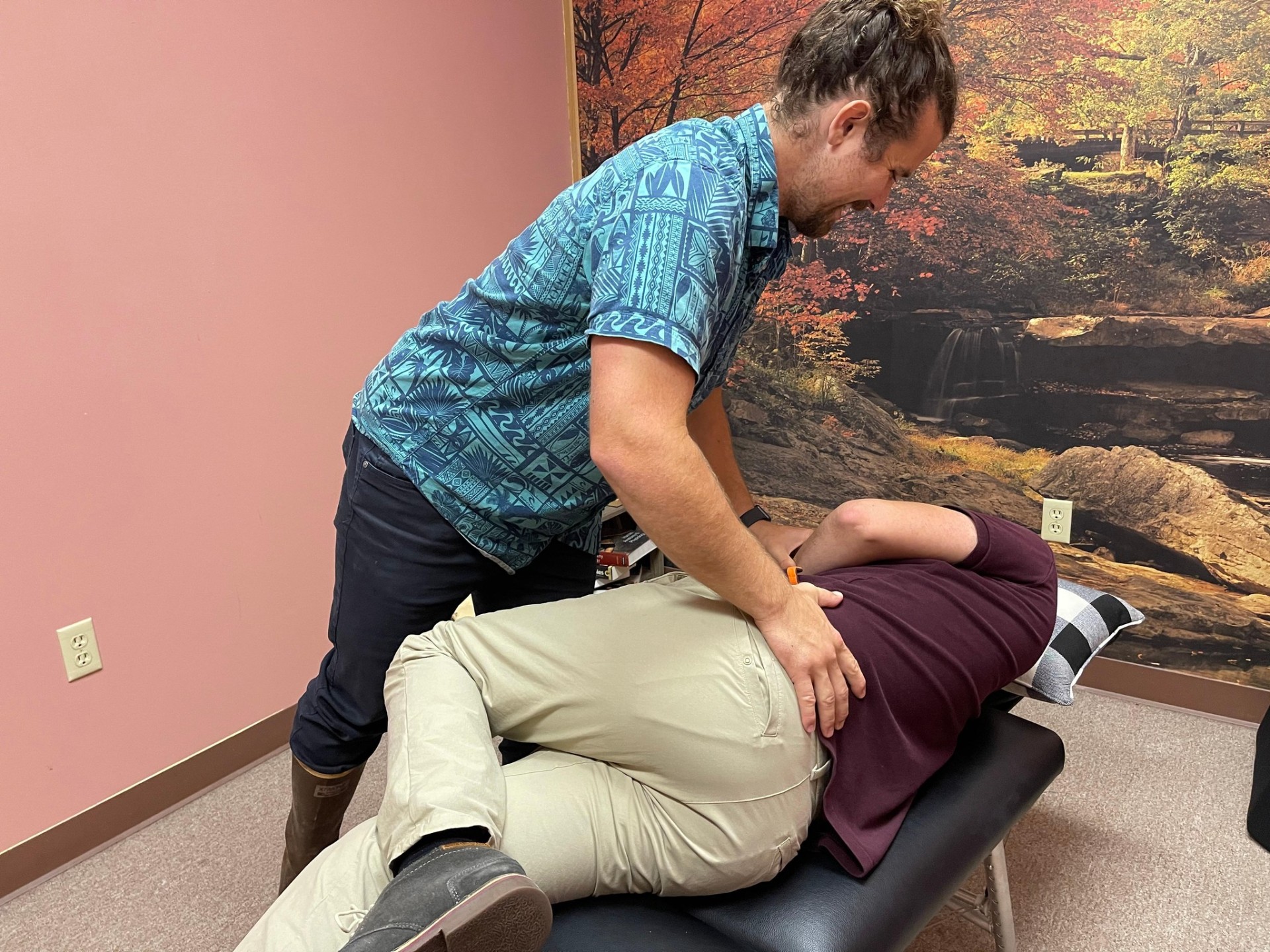
Chiropractic care can be an effective treatment option for managing hernia-related back pain. Chiropractors focus on diagnosing and treating musculoskeletal disorders through manual adjustment and other techniques. Here’s how chiropractic experts like us can help.
#### Spinal Adjustments
Chiropractors use spinal adjustments to realign the spine and relieve pressure on affected nerves. This can help reduce pain and improve mobility, particularly in cases where back pain is caused by compensatory postural changes due to a hernia.
#### Soft Tissue Therapy
Techniques such as massage, myofascial release, and trigger point therapy can alleviate muscle tension and improve blood flow. These treatments help reduce pain and promote healing in the affected area.
#### Exercise and Rehabilitation
Chiropractors often prescribe specific exercises to strengthen your core and back muscles, improve posture, and enhance flexibility. These exercises support the body during the healing process and prevent further strain on the back.
#### Lifestyle and Ergonomic Advice
We can provide guidance on lifestyle modifications and ergonomic practices to reduce strain on your back. These tips include advice on proper lifting techniques, posture correction, and dietary recommendations to support overall health. A holistic approach helps address the symptoms as well as the root causes of pain.
Can a Hernia Cause Pain in the Back: Final Thoughts
Hernias don’t just cause pain in the abdomen — they can, in fact, cause pain in your back as the condition affects the nerves and your posture. Treating the hernia and the subsequent symptoms it causes is the only way to return to a pain-free and comfortable life.
Aside from surgery and physical therapy, chiropractic care is a great way to treat back issues caused by a hernia. By incorporating the chiropractic techniques we outlined above, you can experience significant relief and improved quality of life. However, it’s essential to work with a qualified chiropractor who can develop a personalized treatment plan. So, contact us now and let us know about your current condition. That way, we can begin your journey to complete recovery.
- Facebook - Gmail - LinkedIn - Pinterest - Twitter