

Winter in Juneau can be hard on the body. Between navigating icy sidewalks, shoveling heavy wet snow off the deck, and hunching our shoulders against the cold rain and wind, muscle tension builds up quietly over the months.
Many people who come into our clinic ask whether deep tissue massage is right for their stubborn aches or if it will simply be painful. As a massage therapist, I love explaining how deep tissue actually works, what you can expect on the table, and how it can help you move more freely through our Southeast Alaska winters.
What Deep Tissue Massage Actually Is
Deep tissue massage is a focused, therapeutic style of bodywork. Rather than using fast, rhythmic strokes meant solely for light relaxation, I use slow, deliberate pressure to reach deeper layers of muscle tissue and fascia.
Fascia is the connective tissue that wraps around every muscle, bone, and nerve in your body. When you repeat the same motions over and over or hold your body in a tense posture, that fascia can become restricted and tight. Deep tissue work focuses on lengthening those contracted fibers and encouraging tight bands of muscle to release.
How Deep Tissue Feels During a Session
A common misconception is that deep tissue massage has to be painful to work. In reality, effective deep tissue therapy works within your tolerance, often described as a productive or relieving sensation rather than sharp pain.
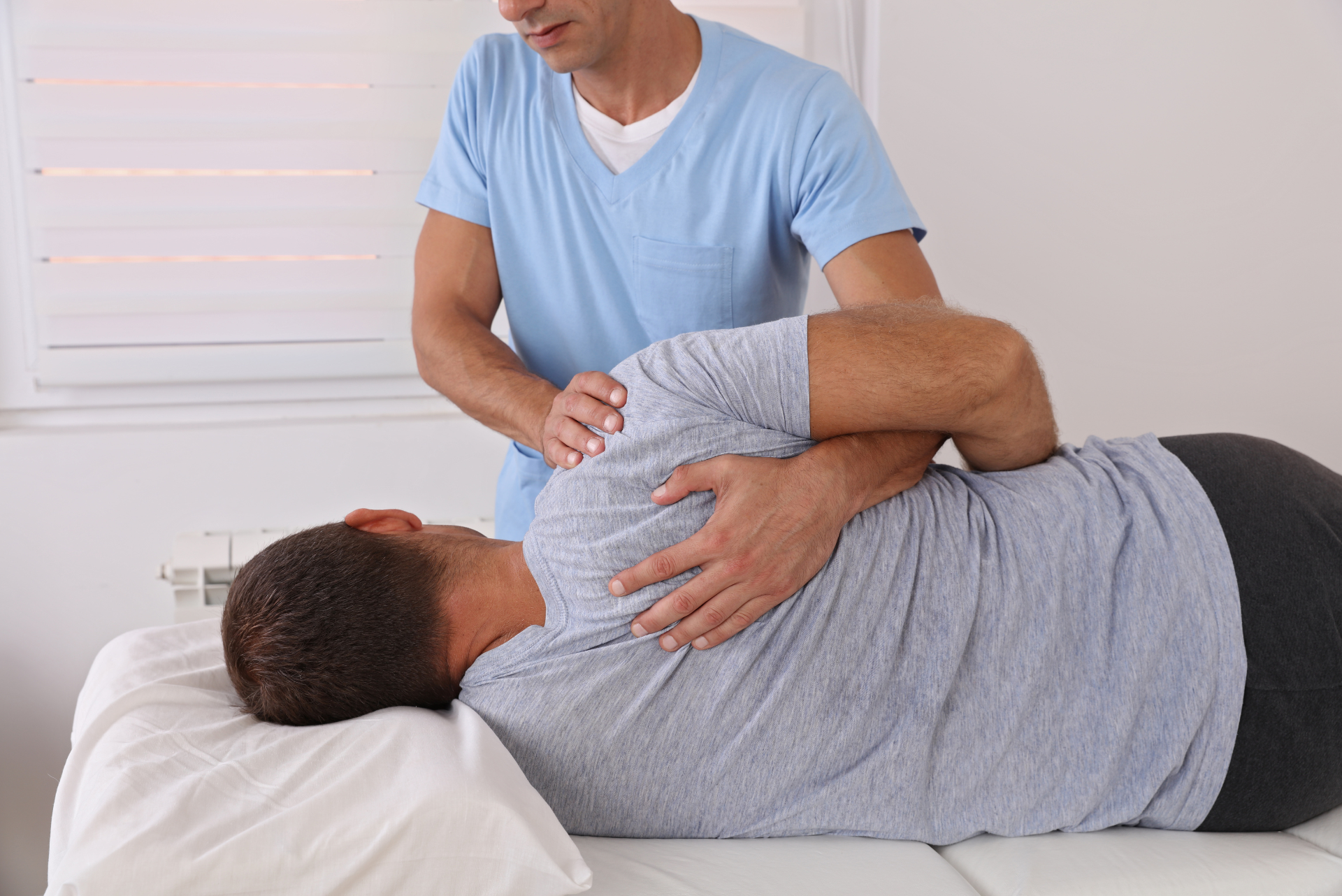
When I work on a tight area, like the rhomboids between your shoulder blades or the deep gluteal muscles after a week of hiking snowy trails, you will feel sustained, firm pressure. You should always be able to breathe slowly and comfortably. If you find yourself holding your breath, clenching your jaw, or tensing up against my hands, that means the pressure is too deep for your nervous system to accept.
Communication is an essential part of the process. I always check in about pressure, and I encourage you to speak up anytime you want lighter or firmer touch.
Common Issues Deep Tissue Massage Helps With
Deep tissue massage works well for localized, chronic tension that does not seem to let go with light stretching or standard relaxation work.
Chronic Neck and Shoulder Stiffness
Holding the steering wheel on slick winter roads or working long hours at a desk often creates a tight, raised posture in the shoulders. Deep work helps release the upper trapezius, levator scapulae, and suboccipital muscles at the base of the skull.
Lower Back and Hip Tightness
Lifting heavy slush, carrying gear down the dock, or sitting for long stretches during dark winter evenings can leave the lower back feeling compressed. Releasing the deep hip rotators, glutes, and quadratus lumborum muscles can take significant pressure off the lumbar spine.
Postural Fatigue and Repetitive Strain
Whether you work in an office, spend hours on your feet, or engage in repetitive physical work, your muscles adapt to your habitual patterns. Deep tissue therapy helps loosen shortened muscles so your joints can settle into better alignment.
Deep Tissue vs. Relaxation Massage
People often wonder how deep tissue compares to a traditional Swedish relaxation massage. While both improve circulation and calm the nervous system, their primary goals and techniques differ.
A Swedish massage focuses on broad, flowing strokes across the entire body to promote general relaxation and decrease stress hormones. Deep tissue, on the other hand, is usually more targeted. We might spend an entire half hour focusing specifically on your neck, shoulders, and upper back rather than rushing through a full-body routine.
What to Expect After Your Appointment
It is completely normal to feel a bit tender or fatigued the day after a deep tissue session, similar to how your muscles feel after a solid workout. This mild soreness usually fades within 24 to 48 hours, leaving the area feeling lighter and more mobile.
Drinking plenty of water helps your tissues rehydrate, and taking a warm bath or shower can keep your muscles relaxed. Gentle movement, like an easy walk on the Treadwell Ditch trail or some light stretching, also supports healthy blood flow as your tissues recover.
When to Seek Medical Evaluation First
While deep tissue massage is wonderful for everyday muscle stiffness and postural strain, it is not a substitute for medical care. Massage supports muscle health and physical comfort, but it does not treat or cure underlying medical conditions.
If you are experiencing sudden severe pain, numbness or tingling traveling down your arms or legs, muscle weakness, unexplained swelling, or loss of bowel or bladder control, you should consult a physician right away. It is always best to have red-flag symptoms checked by a medical doctor before receiving deep bodywork.
Support Your Body This Season
If you are dealing with chronic tension, winter aches, or simply want to move with more ease, deep tissue massage in Juneau can be an effective way to reset your body.
At Happy Family Chiropractic, we tailor every massage session to your specific comfort level and physical goals. Give us a call or book online today to schedule your next appointment with our team.