
- Facebook - Gmail - LinkedIn - Pinterest - Twitter
You’re taking a lovely stroll on your way to your favorite cafe when suddenly your knees start hurting. A few days later, your lower back also aches. You might think it’s a coincidence, but it might not be.
If this situation happens to you, there may be an underlying condition causing both your knee and back pain. While it’s not always the case, certain types of knee pain can contribute to or even cause back pain. Let’s dive into why this might happen and what you can do about it.
Can a Bad Knee Cause Back Pain?
Can knee pain cause back pain? The short answer is yes, it’s possible. Numerous knee conditions could cause back pain , but they all have a similar root cause: misalignment or imbalance in the body.
When your knees are not functioning properly, it can lead to imbalances in your posture and gait. This gait imbalance can then strain other areas of your body, such as your back, leading to pain.
Additionally, knee injuries or conditions that affect movement can also impact how you move and carry weight throughout your body, putting extra strain on your back. This condition can lead to muscle tension and discomfort, especially in the lower back.
The Connection of Our Back and Knees
Our body is more connected than you might think. From our brain down to our toes, something connects all our organs and body parts, and that’s our nervous system. All parts of our body meet at our spine, which helps keep everything working together in harmony.
When something goes wrong with one part of our body, it can cause a ripple effect on the others. In this case, knee pain caused by an injury or condition can potentially lead to back pain due to how closely connected these two areas are.
The sciatic nerve — the largest nerve in the body — originates from the lower back and extends to the legs. If this nerve is compressed or irritated due to knee pain, it can result in radiating pain throughout the leg and back.
Can Back Problems Cause Knee Pain?
Now, let’s put it the other way around. Can back problems cause knee pain? The answer is also an unsurprising yes. As mentioned, a problem in the sciatic nerve could also result in radiating pain from the back to the knee.
While back pain caused by knee pain occurs, knee pain due to a bad back is more common. A misaligned spine or a herniated disc in the lower back can cause pressure on the sciatic nerve, resulting in pain and discomfort in the knee.
Other back conditions like osteoarthritis and spinal stenosis can also lead to knee pain. These conditions affect the nerves and muscles that control movement, potentially leading to imbalances and pain throughout the body.
Signs That a Bad Back Causes Your Knee Pain
If you’re unsure whether your back is causing your knee pain, here are some signs to look out for:
- Knee pain that worsens when sitting or standing for long periods - Tightening in the hamstring muscles - Difficulty standing up straight without experiencing knee pain - Pain that travels from the back to the knee
If you experience any of these symptoms, it’s essential to consult with a healthcare professional to diagnose and treat your condition properly.
Causes of Back Pain After a Knee Surgery
Knee arthritis and injury are the most common cause of radiating back pain. However, a bad knee surgery can also lead to back pain. This complication can occur due to a variety of reasons, including:
- Lack of exercise and physical therapy after surgery - Poor posture during recovery, placing strain on the lower back - Complications during surgery that affect the sciatic nerve or cause back pain directly - Gait changes or imbalances due to the surgery leading to back pain
Working closely with your doctors and physical therapists during post-surgery recovery is crucial to prevent or address potential complications, such as back pain. If you’re experiencing this pain, you must inform your healthcare team immediately.
How To Relieve Back Pain After Knee Surgery
Back pain following knee surgery usually results from changes in gait, posture, or compensatory movements. Implementing proper treatment strategies is essential for managing this discomfort effectively.
RICE Treatment
RICE (Rest, Ice, Compression, Elevation) treatment is a standard approach to managing pain and inflammation, which can also be beneficial for back pain resulting from knee surgery.
- Rest: Avoiding strenuous activities that strain the back muscles can prevent exacerbation of pain. - Ice: Ice therapy can be applied for about 15-20 minutes several times daily. - Compression: Using compression wraps or garments can help stabilize the back and reduce swelling. - Elevation: Elevating the legs when lying down can help reduce swelling and improve blood circulation, which may indirectly alleviate back pain by reducing pressure on the knee.
Pain Medications
Pain medications can provide relief from back pain after knee surgery. However, consulting with a healthcare professional before starting any medication regimen is essential.
Nonsteroidal anti-inflammatory drugs (NSAIDs) are the most common medication prescribed for numerous body pains. Your doctor might recommend ibuprofen or naproxen to reduce pain and inflammation.
For severe pain, your doctor might prescribe stronger pain medications, such as opioids. However, these should be used cautiously and strictly as directed.
Physical Therapy
Physical therapy is crucial in managing back pain post-knee surgery by improving strength, flexibility, and overall function. A physical therapist can design a personalized exercise program tailored to the individual’s needs and limitations.
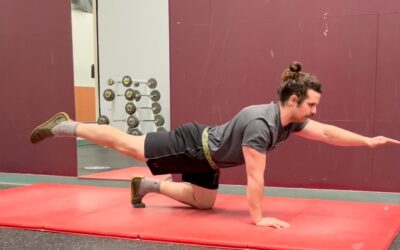
Strengthening the abdomen, lower back, and pelvic muscles can help stabilize the spine and improve posture, reducing strain on the back. Gentle stretching exercises can also help improve flexibility and alleviate muscle tightness, which may contribute to back pain.
How Happy Family Chiropractic Can Help
Knee and back pains can be annoying and debilitating. These conditions can prevent you from enjoying daily activities and living life to the fullest. At Happy Family Chiropractic, we can help you find relief from these discomforts by addressing their root cause.
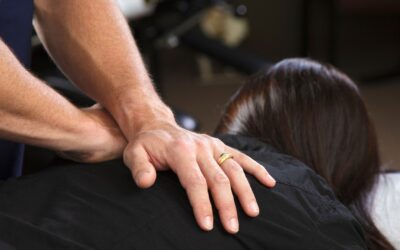
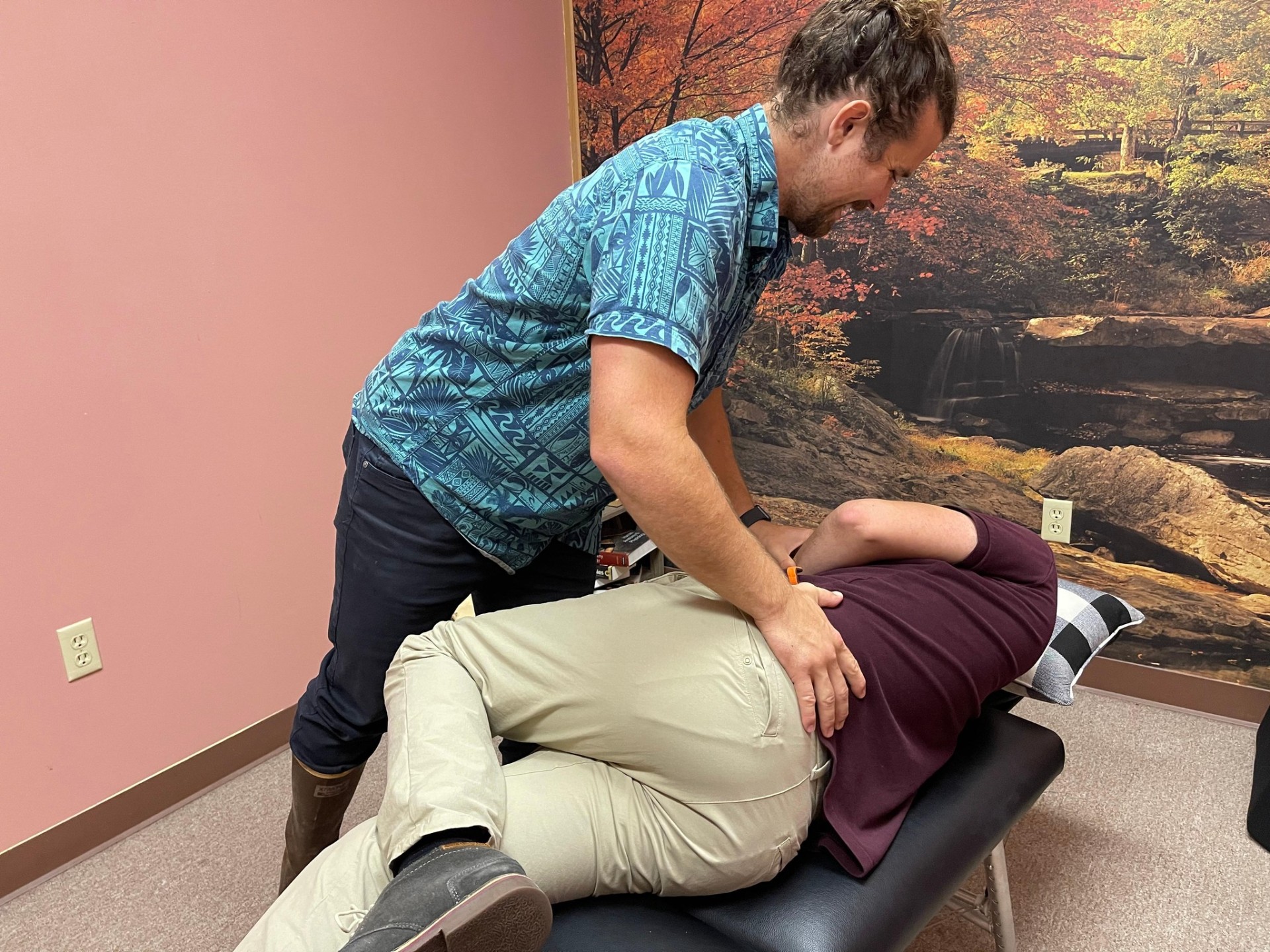
Our experienced chiropractors can perform corrective adjustments or manipulations to realign the spine and alleviate pressure on affected nerves. These treatments can also improve blood circulation, reduce inflammation, and promote healing.
Contact us now to book your session or learn more about our services.
Sources:
https://staging2.happyfamilychiropractic.com/
https://www.medicalnewstoday.com/articles/lower-back-and-knee-pain
https://www.brisbanespineclinic.com.au/blog/knee-pain-from-back/
https://www.thespineandrehabgroup.com/knee-pain-cause-spine
https://www.allianceptp.com/why-am-i-feeling-hip-and-back-pain-after-total-knee-replacement
https://regenexx.com/blog/knee-replacement-outcomes-back-pain/
https://www.mayoclinic.org/diseases-conditions/sciatica/symptoms-causes/syc-20377435
- Facebook - Gmail - LinkedIn - Pinterest - Twitter