

- Facebook - Gmail - LinkedIn - Pinterest - Twitter
While constipation is typically associated with digestive discomfort, it can also manifest as upper back pain. Understanding this connection can help you effectively address both digestive and muscular issues, ultimately leading to improved overall health and well-being. Let’s dive in and uncover the intriguing relationship between constipation and upper back pain.
An Overview on Constipation
Constipation is a common gastrointestinal issue characterized by infrequent bowel movements or difficulty passing stools. While occasional bouts of constipation are normal, chronic constipation can significantly impact an individual’s quality of life. Understanding the causes, risk factors, and symptoms of constipation is essential for effective management and prevention.
Causes and Risk Factors for Constipation
- Dietary Factors: A diet low in fiber and fluids can contribute to constipation by slowing down the digestive process and making stools harder to pass. - Lack of Physical Activity: Sedentary lifestyles can lead to decreased bowel motility, making it more challenging to pass stools regularly. - Medications: Certain medications can cause constipation as a side effect. - Medical Conditions: Chronic conditions like irritable bowel syndrome (IBS), hypothyroidism, diabetes, and neurological disorders can disrupt normal bowel function, leading to constipation. - Ignoring the Urge: Ignoring the urge to have a bowel movement can weaken the muscles in the rectum and lead to constipation over time. - Changes in Routine: Traveling, changes in daily routine, or disruptions to regular meal times can disrupt bowel habits and contribute to constipation. - Psychological Factors: Stress, anxiety, and depression can affect the digestive system and exacerbate symptoms of constipation.
Symptoms of Constipation
- Infrequent bowel movements - Difficulty passing stools - Incomplete evacuation - Abdominal discomfort - Rectal blockage - Rectal bleeding
The Connection Between Constipation and Upper Back Pain
Can being constipated cause back pain? While the association between constipation and digestive discomfort is well-known, fewer people may be aware of the potential link between constipation and back pain, particularly in the upper back region. However, several mechanisms exist that can explain how constipation may contribute to back pain.
Referred Pain
The nerves that supply the gastrointestinal tract and the back converge at the same levels of the spinal cord. When there is irritation or inflammation in the intestines due to constipation, these shared nerves can transmit signals that are interpreted as pain in the back. This phenomenon is known as referred pain, where pain is perceived in an area further from the actual source of the problem.
Muscle Tension and Spinal Misalignment
Chronic constipation can lead to increased abdominal pressure, which may result in muscle tension in the lower back as the body compensates for the discomfort. Additionally, straining during bowel movements can place stress on the muscles and ligaments of the back, potentially leading to muscle spasms or spinal misalignment, which can manifest as upper back pain.
Postural Changes
Individuals experiencing constipation may unknowingly adopt poor posture in an attempt to alleviate discomfort or strain while sitting or standing. Over time, these postural changes can contribute to muscle imbalances and spinal misalignment, which may lead to upper back pain.
Viscerosomatic Reflex
The intestines have a close neurological connection with the spinal cord and brainstem. When there is dysfunction or irritation in the gastrointestinal system, it can trigger a reflex response in the spinal cord known as a viscerosomatic reflex. This reflex can lead to altered muscle function and pain perception in various areas of the body, including the back.
Psychological Factors
Chronic constipation can be frustrating and uncomfortable, leading to stress, anxiety, or depression in some individuals. These psychological factors can exacerbate muscle tension and increase sensitivity to pain, potentially contributing to or worsening back pain.
Preventing and Managing Constipation-Related Back Pain
Preventing and managing constipation-related back pain involves addressing both the gastrointestinal and musculoskeletal aspects of the issue. Here are some strategies to help alleviate constipation and reduce associated back pain:
- Maintain a Healthy Diet - Establish Regular Bowel Habits - Stay Physically Active - Manage Stress - Consider Dietary Supplements - Seek Professional Help
How a Chiropractor Can Help Manage Upper Back Pain From Constipation
When it comes to addressing back pain associated with constipation, chiropractic care offers a holistic approach that focuses on restoring proper spinal alignment, alleviating muscle tension, and promoting overall musculoskeletal health. Here are several reasons why seeking care from a chiropractor can be beneficial.
Targeted Treatment
Chiropractors specialize in diagnosing and treating musculoskeletal conditions, including back pain. They can perform a thorough evaluation to identify any spinal misalignments, muscle imbalances, or joint dysfunctions contributing to your back pain.
Spinal Adjustments
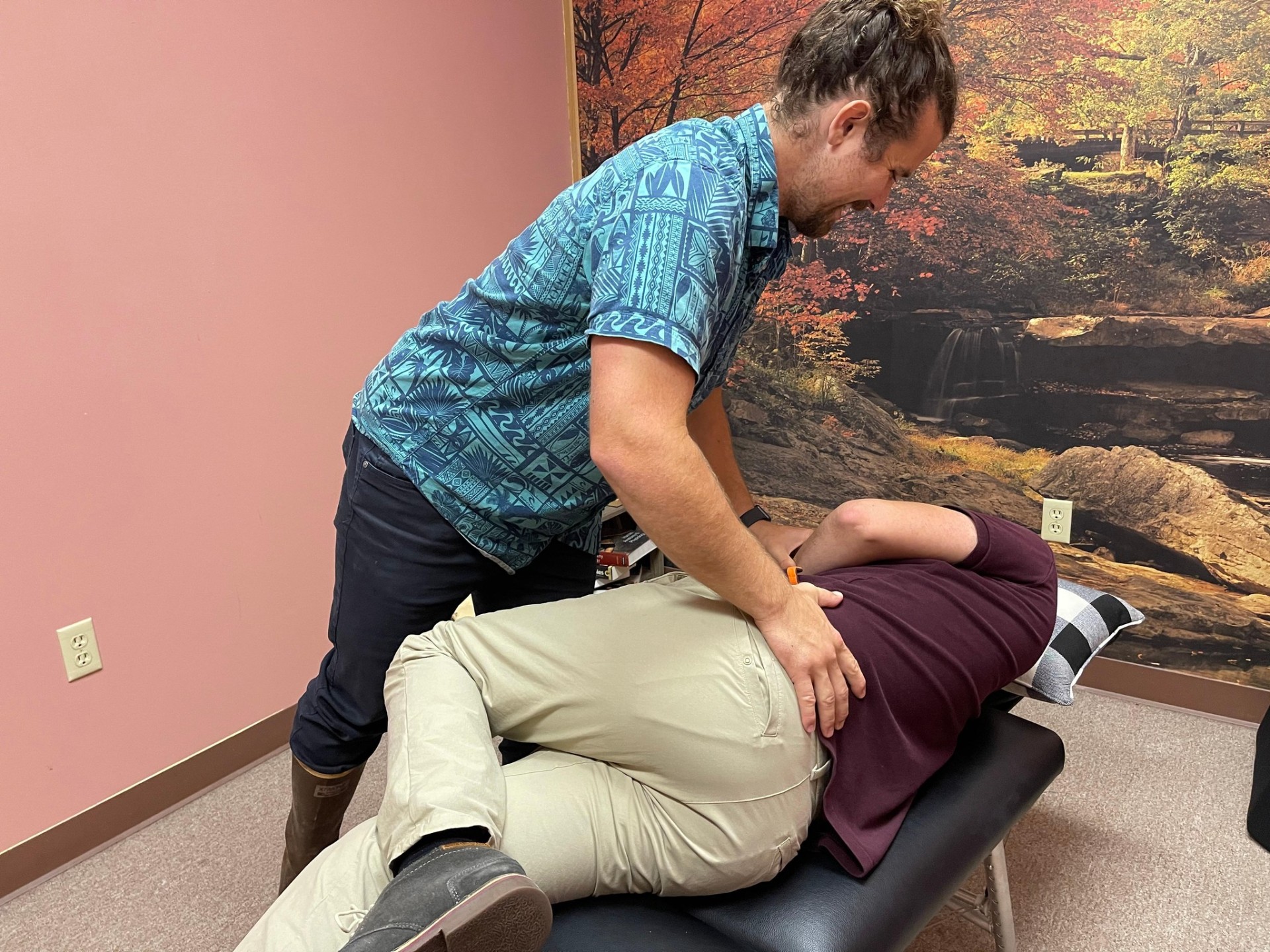
Through gentle spinal adjustments, chiropractors can restore proper alignment and mobility to the spine, relieving pressure on the nerves and reducing back pain. These adjustments can also help improve nerve function, promoting better communication between the brain and the rest of the body.
Muscle Relaxation Techniques
Chiropractors utilize various techniques — such as soft tissue manipulation, massage therapy, and therapeutic exercises — to relax tight muscles, reduce muscle spasms, and improve flexibility in the affected areas of the back.
Preventive Care
In addition to providing relief from existing symptoms, chiropractic care emphasizes preventive measures to maintain spinal health and prevent future episodes of back pain. By addressing underlying issues early on and incorporating regular chiropractic adjustments into your wellness routine, you can reduce the risk of recurrent back pain and enjoy long-term musculoskeletal health.
Final Thoughts
The connection between constipation and upper back pain highlights the interaction between the digestive and musculoskeletal systems. By understanding the connection and using preventive strategies, you can effectively manage both constipation and back pain to improve your overall quality of life.
At Happy Family Chiropractic , our dedicated team is committed to providing compassionate, personalized care to address your specific needs and concerns.
With our expertise in spinal health and holistic approach to wellness, we can help you find relief from back pain associated with constipation and restore balance to your body. Don’t let discomfort hold you back from enjoying life to the fullest. Take the first step toward a healthier, happier you by booking an appointment with Happy Family Chiropractic today.
- Facebook - Gmail - LinkedIn - Pinterest - Twitter