

When the autumn rain sets in across Juneau, I see a distinct shift in the people walking through our doors. Between stacking firewood before the snow flies, pulling boats for the season, and unconsciously hiking our shoulders up to our ears against the cold wind, our bodies take on extra tension. When your neck feels locked up or your lower back aches after a weekend of yard prep, you know you need bodywork, but it can be hard to know what type to choose.
Many people ask me about the difference between booking a relaxing spa day and coming in for therapeutic massage in Juneau. Both styles have undeniable value, but they serve different purposes. Understanding what happens on the table during a therapeutic session can help you decide which approach fits your current goals.
What Is a Spa Massage Designed to Do?
A traditional spa massage is primarily built around relaxation and stress reduction. When you visit a day spa, the environment is curated for quiet pampering, featuring low lighting, gentle ambient music, and soothing aromatherapy. The techniques used, often based on classic Swedish massage, focus on long, flowing, rhythmic strokes with light to medium pressure.
The main goal of a spa massage is to calm your central nervous system, lower your heart rate, and give you a mental break from daily life. It increases overall superficial circulation and helps you unwind. If you are physically feeling decent but carrying high mental stress, a spa massage is a wonderful way to recharge. However, if you have a persistent knot under your shoulder blade or limited mobility in your hip, a general relaxation massage might only offer temporary, surface-level relief.
How Therapeutic Massage Focuses on Specific Issues
Therapeutic massage, sometimes called clinical or medical massage, is outcome-driven. Instead of following a standardized full-body routine, I start by talking with you about what hurts, how long it has been bothering you, and what daily activities are being limited by your discomfort. We look at your posture, your range of motion, and how your soft tissues are reacting to movement.
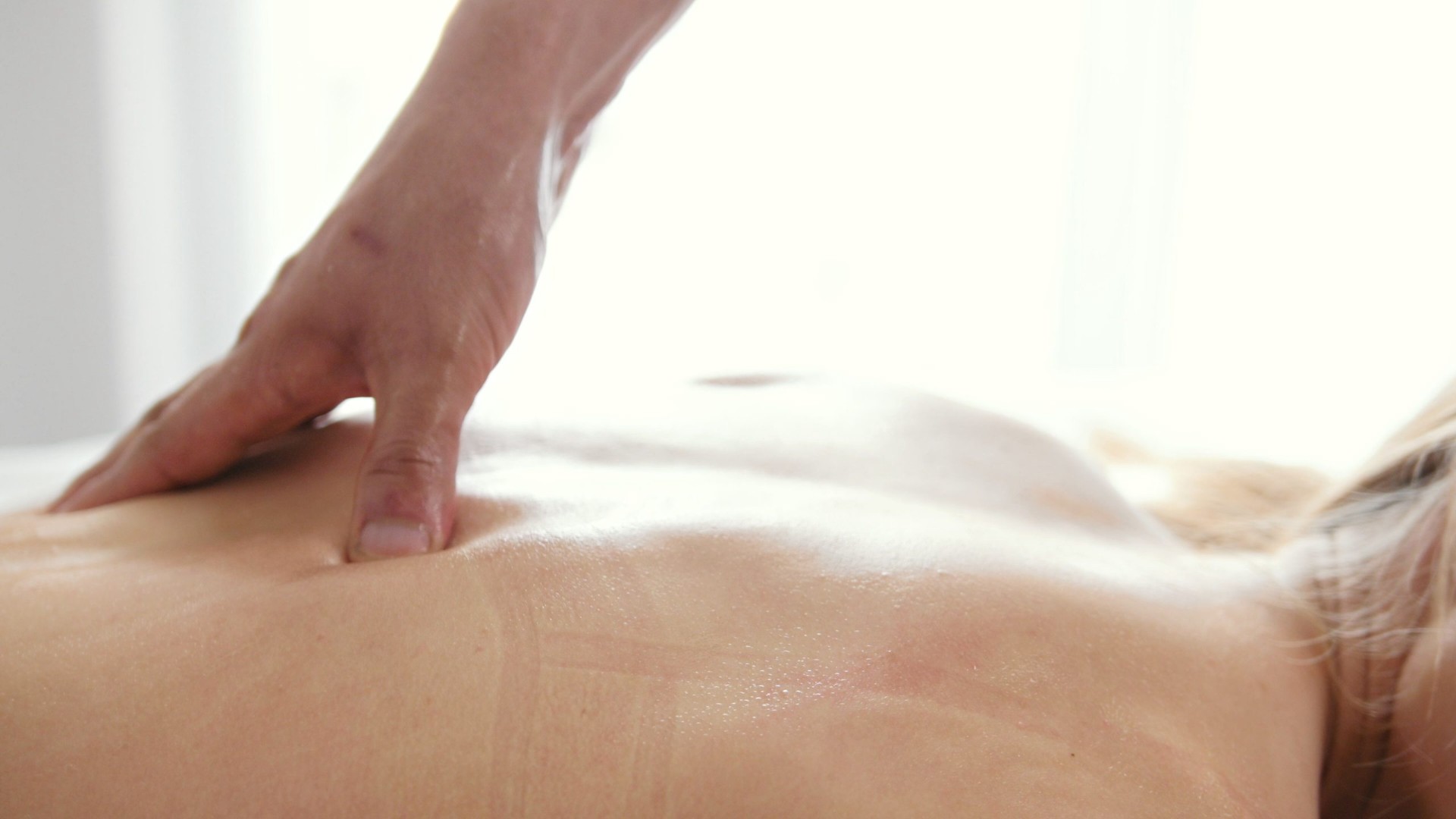
During a therapeutic session, I might spend thirty minutes working solely on your neck, upper back, and rotator cuff if you are dealing with chronic tension headaches from desk work or heavy lifting. The techniques go deeper into the anatomy. I use myofascial release to address tight connective tissue, trigger point therapy to release localized muscle spasms, and cross-fiber friction to break up stubborn adhesions. The intent is not just to help you relax in the moment, but to restore proper muscle function, improve joint mobility, and reduce pain over the long haul.
What a Therapeutic Session Actually Feels Like
A common misconception is that therapeutic massage must be painful to be effective. While we often work on tender areas, the pressure should always stay within your tolerance. I describe the sensation as a productive ache or a satisfying release, never a sharp or breath-holding pain. If you find yourself tensing up against my hands, the muscle will resist the work, which defeats the purpose.
Communication is also much more active during a therapeutic session than during a spa treatment. I will frequently check in about the depth of pressure and ask you what you are feeling in specific spots. I may also ask you to participate by gently contracting a muscle against my hand, taking deep diaphragmatic breaths, or moving a joint through a range of motion while I apply targeted pressure. It is a collaborative process aimed at retraining your soft tissues.
Afterward, you might feel a mild muscular soreness similar to how you feel the day after a good hike up Mount Roberts. That soreness is normal and typically fades within twenty-four to forty-eight hours, leaving the muscle feeling looser and moving more freely.
Why Juneau Autumns Call for Targeted Bodywork
Living in Southeast Alaska places unique demands on the body, especially during the wetter months. As the temperature drops and the rain becomes constant, our daily movement patterns change. We spend more time bracing against slick boardwalks, navigating steep, wet stairs, and carrying heavy gear in awkward positions to beat the weather.
Cold, damp weather naturally causes our muscles to contract and guard, which can amplify existing postural imbalances. If you already have tight hip flexors from sitting at an office desk in town, a sudden weekend of lifting heavy totes or hauling winter tires can easily trigger a painful lower back spasm. Therapeutic massage addresses these strain patterns directly by lengthening shortened muscles, encouraging blood flow into stiff joints, and easing the protective tension your body creates to stay stable on slippery terrain.
Coordinating Massage with Chiropractic Care
One of the biggest advantages of receiving therapeutic massage at Happy Family Chiropractic is how smoothly our bodywork pairs with chiropractic adjustments. Muscles attach directly to bones; when muscles are chronically tight, they exert uneven pull on your spine and joints. Conversely, a restricted joint can cause the surrounding muscles to spasm in an attempt to protect the area.
When we address tight soft tissues first, chiropractic adjustments are often easier to perform and tend to hold longer. Releasing stubborn trigger points allows the joints to move through their natural range without fighting contracted muscle fibers. Whether you receive bodywork on the same day as an adjustment or alternate your visits throughout the month, combining these therapies offers a comprehensive way to keep your body aligned and moving well.
When to See a Medical Provider First
While therapeutic massage is an exceptional tool for muscular aches, postural strain, and everyday tension, some symptoms require medical evaluation before any bodywork takes place. Your safety is always the highest priority.
If you are experiencing sudden severe weakness or numbness in your arms or legs, a loss of bowel or bladder control, a sudden and excruciating headache unlike anything you have had before, or pain directly following a severe fall or high-impact trauma, please see a primary care physician, an urgent care provider, or visit Bartlett Regional Hospital immediately. Once serious underlying conditions are ruled out or properly managed, therapeutic massage can often be integrated into your recovery plan.
If you are dealing with persistent tightness, recovering from seasonal chores, or simply want your body to move more comfortably through a rainy Juneau autumn, I would love to help. Schedule an appointment with us at Happy Family Chiropractic to experience how targeted therapeutic massage can support your health.